
Everyone has one.
A night that stays with them—years later—clear, vivid, almost cinematic. The music, the faces, the feeling of time slowing down. And yet, there are countless other nights that disappear entirely, reduced to fragments or forgotten altogether.
Why is that?
The answer isn’t about how expensive the venue was, how famous the DJ played, or how late the night lasted. It’s about how the night was designed to be felt.
At Aura Da Nang, nightlife is understood as an emotional sequence. And memory, as it turns out, follows patterns.
Memory Is Emotional, Not Chronological
The human brain does not record nights like a camera.
It records them like a story.
Neuroscience shows that memories are anchored to emotion, not duration. A short moment with heightened emotional clarity can outweigh hours of repetition or overstimulation.
That’s why some nights fade, while others remain intact.
Memorable nights tend to include:
- Emotional contrast (calm → energy → release)
- A sense of presence
- Moments that feel unforced and authentic
When everything feels the same, the brain compresses it. When something feels different, the brain holds on.
The Role of Transition: Where Memory Begins
One of the biggest reasons nights are forgotten is lack of transition.
If a night begins loud, stays loud, and ends loud, the brain struggles to find meaningful markers. There’s no narrative arc—just noise.
Memorable nights, by contrast, have phases:
- Arrival and orientation
- Emotional warming
- Peak connection
- Gentle release
Aura-designed experiences pay attention to this flow. Guests are not thrown into intensity immediately. They are guided into it.
This progression creates mental “chapters,” making the night easier to remember as a complete experience rather than a blur.
Manhattan Bar: The Power of Stillness
Not all memories are created in movement.
At Manhattan Bar, nights are remembered because they slow people down.
The lighting is controlled. The music supports conversation. The space invites closeness without pressure. In these conditions, guests are more present—and presence is essential for memory formation.
Many guests later recall:
- A specific conversation
- A shared laugh with a stranger
- The exact moment they felt comfortable
Stillness, when designed intentionally, becomes unforgettable.
Music as a Memory Anchor
Music is one of the strongest triggers of long-term memory. But not because it’s loud or familiar—because it’s contextual.
When music aligns with environment, emotion, and timing, it becomes a memory anchor. Years later, a similar rhythm can instantly recall an entire night.
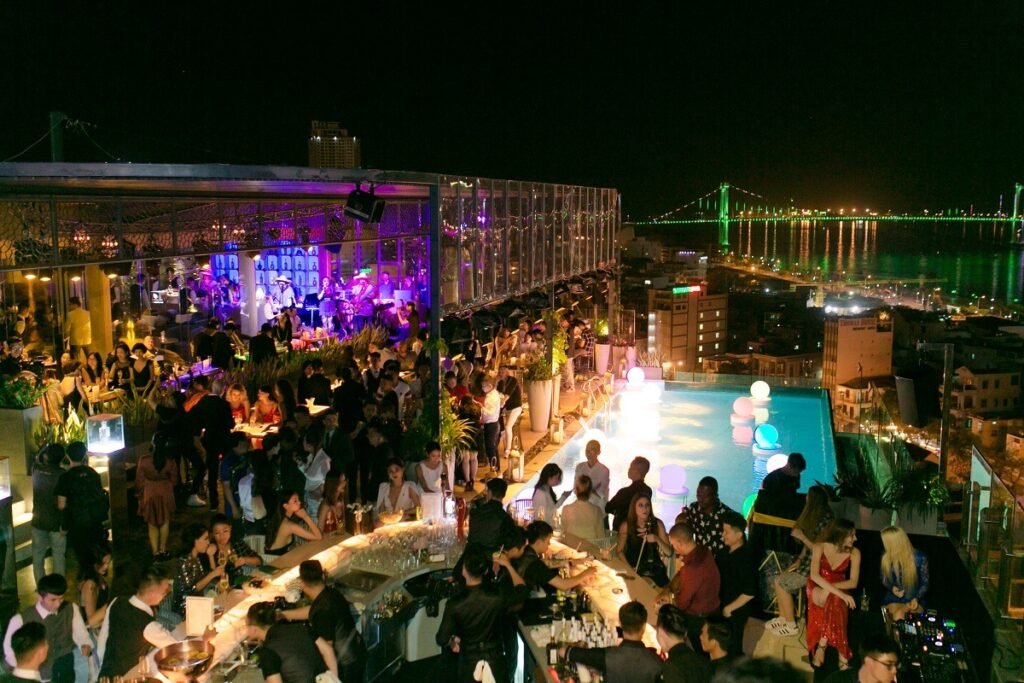
At Aura venues, music is curated to support emotion, not dominate it. DJs read the room, adjusting tempo and tone to match collective energy.
When sound and emotion synchronize, memory locks in.
Ondas: When Environment Becomes the Memory
Some nights are remembered not for what happened—but where it happened.
At Ondas, memory is shaped by environment. The sea breeze, open sky, and changing light conditions create sensory depth that indoor venues can’t replicate.
Guests often remember:
- The feeling of sand beneath their feet
- The moment sunset turned into night
- Music blending with ocean sound
These sensory layers give the brain multiple reference points—strengthening recall.
Kala Kala: Release and Emotional Contrast
If stillness creates clarity, release creates imprint.
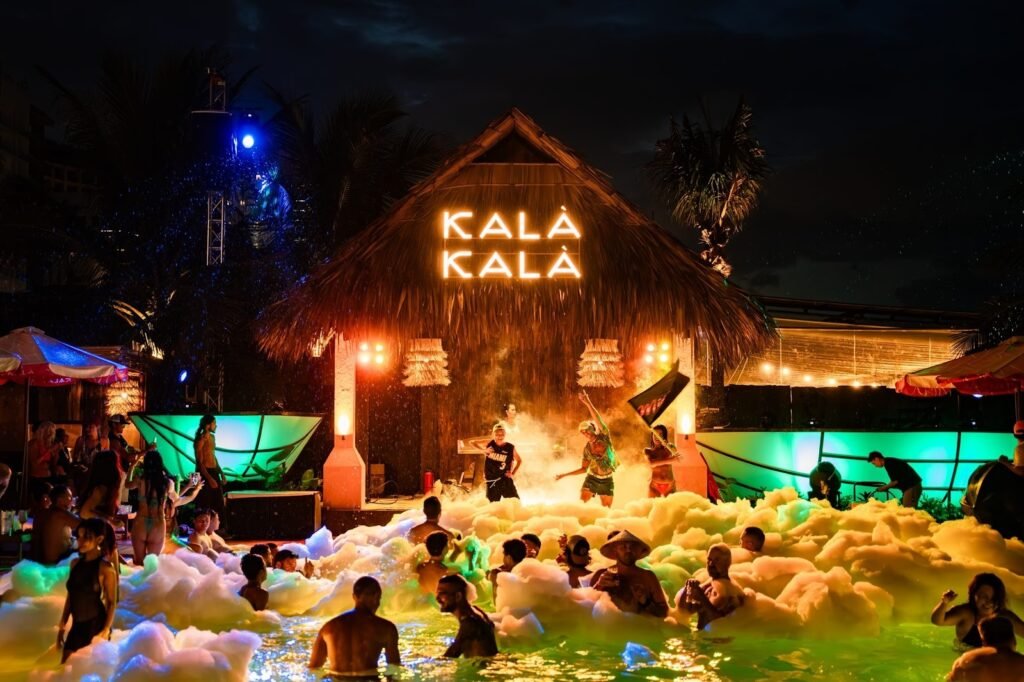
At Kala Kala, guests remember nights because of emotional contrast. After structured days and controlled environments, Kala Kala offers expressive freedom.
Movement, color, and energy create moments of emotional release—an essential component of long-term memory.
The brain remembers contrast. It remembers when people feel different than usual.
Why Overstimulation Kills Memory
Ironically, nights that try too hard to impress are often forgotten.
Overstimulation—too much sound, light, crowd density—overloads the brain. When everything is intense, nothing stands out.
Aura’s approach avoids constant peaks. Instead, intensity is earned. This restraint allows specific moments to rise above the rest—and those moments become memory anchors.
Luxury nightlife is not louder. It’s more selective.
People, Not Places, Seal the Memory
While design and music set the stage, people complete the memory.
Aura attracts a diverse, international crowd—travelers, creatives, nomads, locals—without rigid social hierarchy. Conversations happen naturally, without expectation.
Many guests don’t remember every face—but they remember how they felt connecting with others:
- Safe
- Curious
- Open
These emotional states are deeply memorable.
The Aura Philosophy: Designing for Memory
Aura Da Nang doesn’t aim to create the loudest nights. It designs for the lasting ones.
By understanding how memory works—through emotion, transition, contrast, and presence—Aura creates nights that stay with guests long after they leave Da Nang.
Some nights are forgotten because they never slow down.
Others are remembered because they were felt deeply.
The difference is not chance.
It is design.