
✔ Có:
From ancient civilizations to modern cities, one truth has remained constant: humans have always gathered at night. Long before nightlife venues, festivals, or entertainment districts existed, people instinctively came together after dark—to talk, to listen, to connect.
Today, nightlife may look different, but its purpose has not changed. It is still about belonging, shared energy, and human connection.
Understanding why humans gather at night helps explain why certain nights feel meaningful—and why some places feel alive while others do not.
Night Has Always Been a Social Space
Historically, night was the only time when life slowed down.
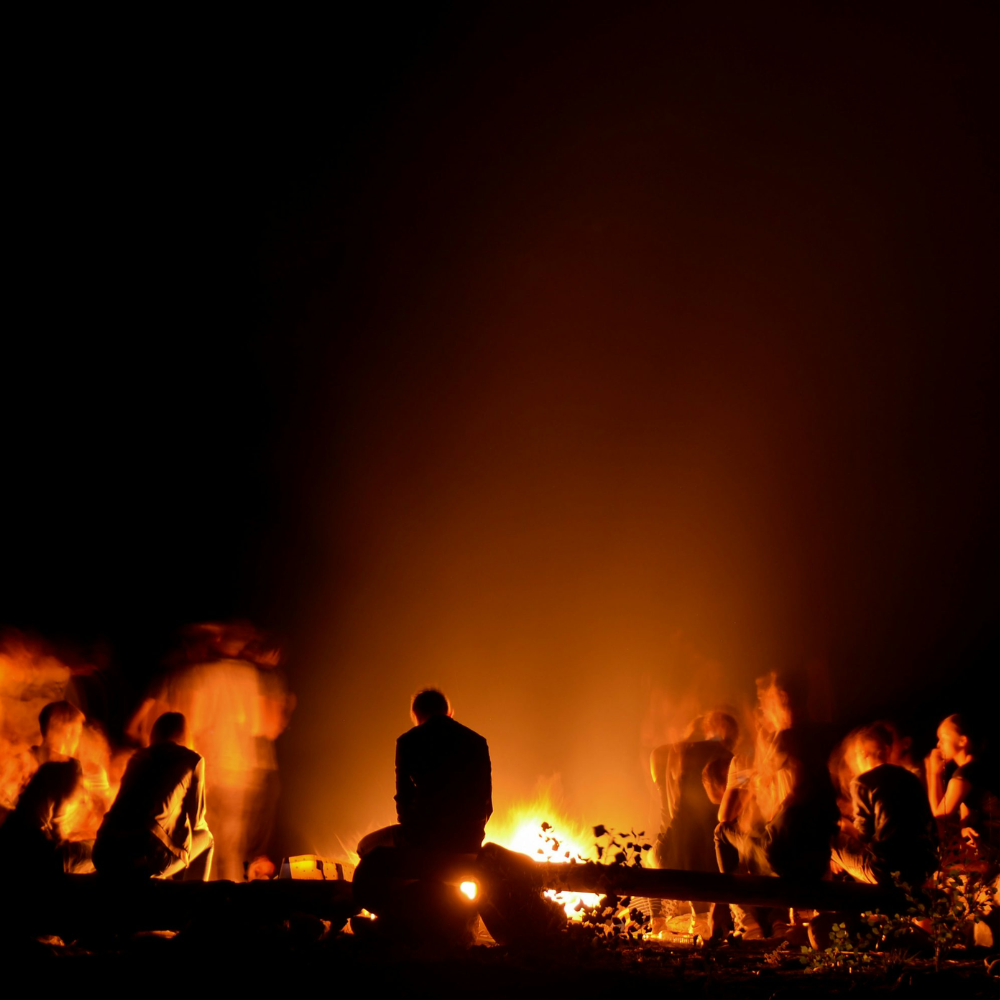
In early societies, daylight was reserved for survival—hunting, farming, building, working. Night, by contrast, offered something rare: collective pause. People gathered around firelight, sharing stories, rituals, music, and silence.
Anthropologists widely agree that these nighttime gatherings played a crucial role in:
- Social bonding
- Cultural transmission
- Emotional regulation
Night was not just the absence of day. It was a shared human moment.

Why Darkness Creates Connection
Darkness changes human behavior.
When visual stimulation decreases, other senses become more active. Voices soften. Attention narrows. People listen more carefully—not just to sound, but to each other.
Psychologists have long observed that low-light environments:
- Reduce social anxiety
- Increase emotional openness
- Encourage longer, deeper conversations
This is why meaningful conversations rarely happen under bright fluorescent lights. Night removes distraction and invites presence.
It is not coincidence—it is biology.
Nighttime Is When Social Hierarchies Relax
Daytime is structured by roles: job titles, responsibilities, expectations.
Night loosens those structures.
After dark, people interact less as positions and more as individuals. A founder speaks to a traveler. A local shares a moment with a visitor. Status fades. Curiosity replaces performance.
This temporary flattening of hierarchy is one reason humans are drawn to nighttime spaces—it offers social freedom without obligation.
Music, Rhythm, and Collective Synchronization
Music has always been central to nighttime gathering.
Drums, chants, instruments, and rhythm helped early humans synchronize movement and emotion. Modern neuroscience confirms that shared rhythm creates a sense of unity by aligning heart rate, breathing, and emotional response.
That same mechanism still exists today.
In nightlife environments, music functions as:
- Emotional glue
- Social timing device
- Collective language
When rhythm is shared, individuals feel less alone—even in a crowd of strangers.

Why Nighttime Memories Feel Stronger
People often remember nights more vividly than days.
This is because nighttime experiences are usually:
- Less routine
- More emotionally charged
- More socially concentrated
Memory research shows that the brain prioritizes moments involving emotion, novelty, and connection. Night naturally contains all three.
This explains why people often remember:
- Who they talked to at night
- How they felt
- The atmosphere
But forget the specifics of ordinary days.
Night gatherings create memory anchors.
Modern Nightlife as an Ancient Ritual
Despite modern branding and technology, nightlife still fulfills an ancient role.
At its core, nightlife is a contemporary version of the same ritual humans have practiced for thousands of years:
- Gather
- Share energy
- Feel connected
- Reset emotionally
The best nightlife experiences do not feel forced or transactional. They feel natural—because they align with deeply human instincts.
This is why carefully curated nightlife environments feel different. They respect the rhythm humans evolved with rather than fighting it.
Why Some Night Spaces Feel Right (and Others Don’t)
Not all nighttime spaces succeed.
Humans are sensitive to environments that disrupt natural gathering instincts. Spaces that are too loud, too bright, or too chaotic can block connection instead of encouraging it.
Effective night spaces prioritize:
- Flow over force
- Atmosphere over spectacle
- Presence over performance
When these elements align, people stay longer—not because they are stimulated, but because they feel comfortable being themselves.
This principle explains why certain nightlife destinations quietly develop loyal communities while others constantly struggle to retain guests.
The Role of Curated Nightlife Today
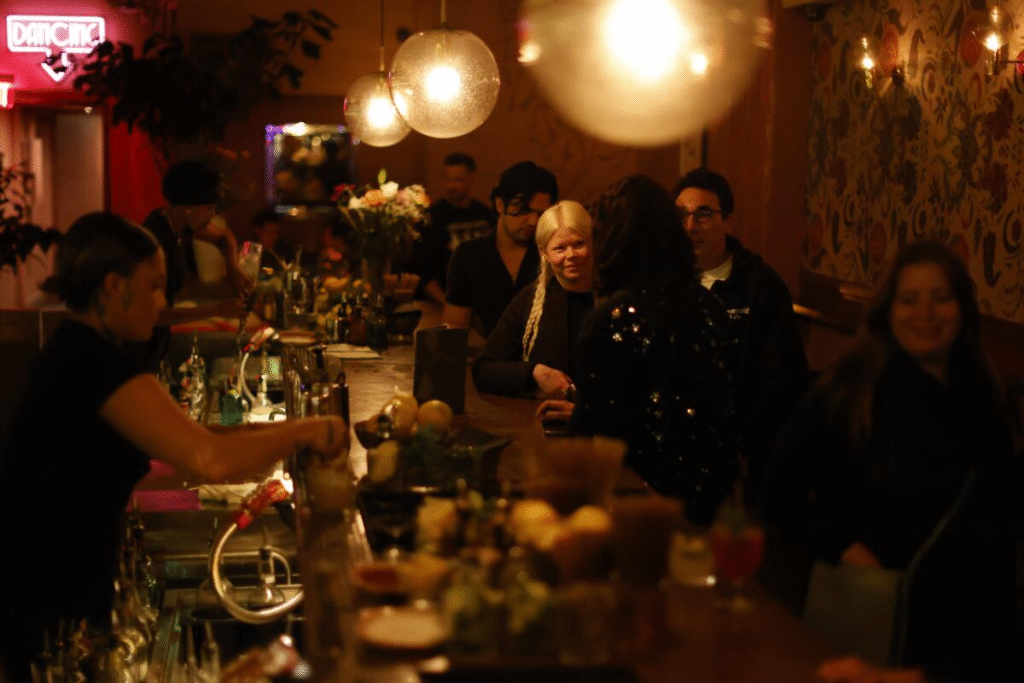
In modern cities, the responsibility of hosting nighttime gathering has shifted from community rituals to curated spaces.
Organizations like Aura Da Nang approach nightlife not as entertainment alone, but as human-centered experience design.
By understanding:
- How people connect after dark
- How sound, light, and space affect emotion
- How crowds influence individual behavior
Curated nightlife becomes less about consumption and more about shared presence.
Why Humans Will Always Gather at Night
Technology changes. Cities evolve. Cultures shift.
But the need to gather at night remains constant.
Humans gather at night because:
- It slows time
- It softens identity
- It encourages honesty
- It restores social balance
Night is where people stop functioning and start feeling.
That is why, across history and geography, humans have always found each other after dark—and always will.