
At night, something shifts.
People talk differently.
They listen more closely.
They reveal things they never say during the day.
Yet not all nights feel the same. Some nights leave us feeling invisible—lost in crowds, noise, and repetition. Other nights make us feel seen, understood, and unexpectedly connected.
The difference isn’t about how busy a venue is or how famous the DJ might be. It’s about how the night is designed to treat human presence.
At the center of this contrast lies a question every nightlife destination must answer:
Do people come here to disappear—or to be felt?
Why Anonymity Feels Easy at Night
Anonymity has always been part of nightlife culture.
Dim lighting, loud music, and packed spaces create an environment where individuals blur into the background. For many, this is comforting. There is no expectation to engage deeply, no pressure to connect, no need to explain who you are.
In cities around the world, nightlife often prioritizes:
- High volume over clarity
- Density over intimacy
- Spectacle over presence
These nights are easy to forget. The brain registers stimulation, but not meaning. When everything feels the same, memory compresses the experience into nothing.
Anonymity may feel safe—but it rarely feels memorable.
Feeling Seen: The Rarer Nighttime Experience
Feeling seen is different from being noticed.
It doesn’t require attention, spotlight, or validation. It requires space—emotional, social, and physical—where people can exist without performance.
When people feel seen at night, it’s often because:
- Conversations feel unforced
- Music allows for connection, not competition
- The environment supports presence rather than distraction
These are the nights people remember clearly—not because they were louder, but because they felt personal.
This is where luxury nightlife quietly separates itself from mass nightlife.
The Psychology of Being Seen After Dark
At night, defenses lower naturally.
The absence of daylight softens social roles. Work identities fade. Expectations loosen. Humans become more receptive—not because of alcohol, but because the environment signals safety and permission.
Psychologically, feeling seen at night activates:
- Emotional regulation
- Social trust
- Long-term memory formation
When a space allows guests to be present without judgment, the brain records the experience as meaningful.
This is why some nights feel transformative—and others feel empty.
Manhattan Bar: Intimacy Without Exposure
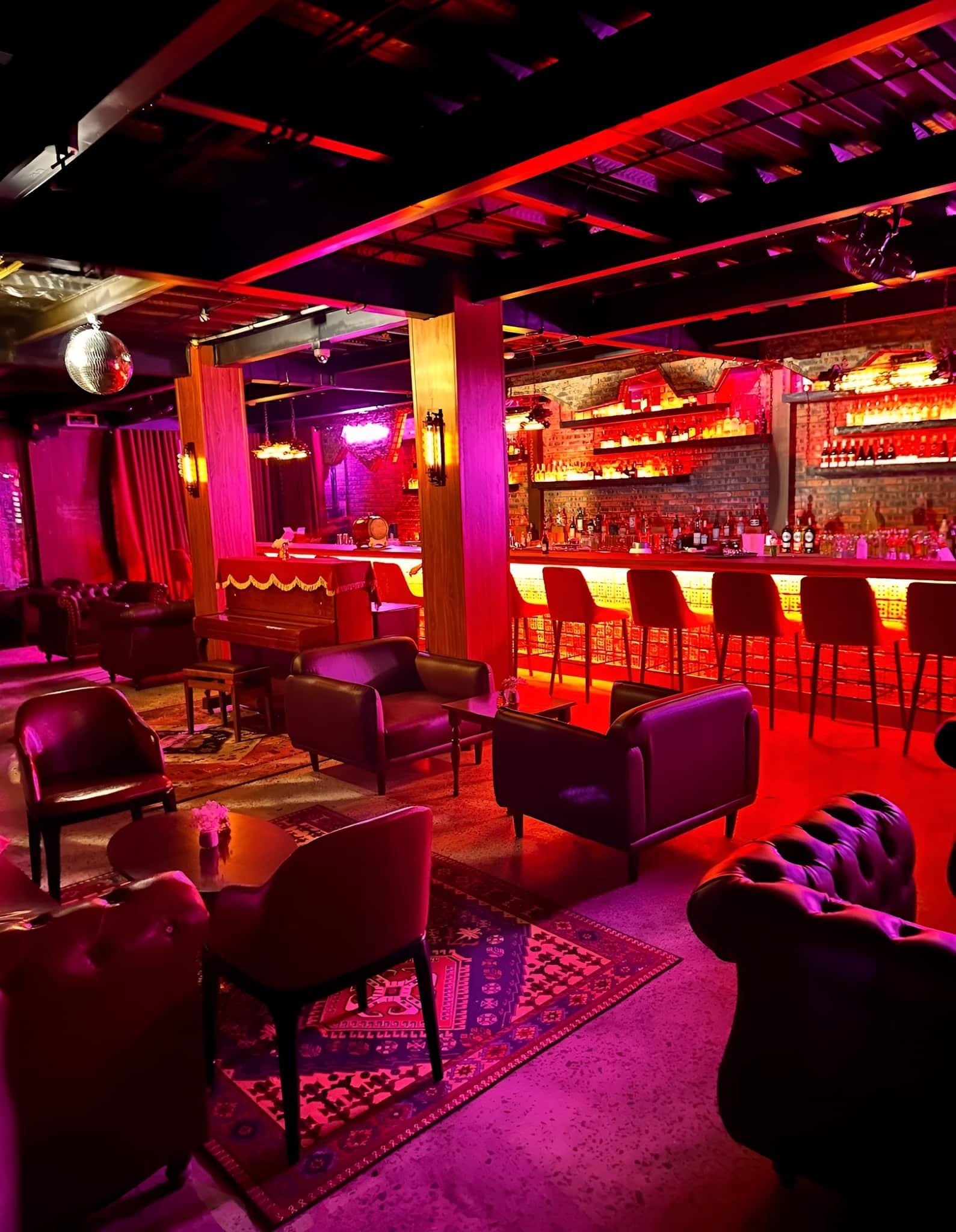
Within the Aura ecosystem, Manhattan Bar exemplifies how design can support visibility without pressure.
The lighting is controlled, never harsh. Music sits beneath conversation rather than overpowering it. Seating arrangements encourage proximity without intrusion.
Guests often feel:
- Comfortable staying longer than planned
- Open to speaking with strangers
- Relaxed enough to listen
Manhattan Bar creates a rare balance—where guests can be anonymous if they choose, but never invisible.
Why Loud Nights Often Make Us Feel Invisible
Paradoxically, the louder the environment, the easier it is to disappear.
In overstimulated spaces:
- Conversations are reduced to fragments
- Eye contact is brief or avoided
- Human presence becomes background noise
These nights prioritize consumption over connection. Guests participate, but do not engage. When the night ends, there is little emotional residue left behind.
Aura’s philosophy deliberately avoids constant intensity. Instead, it designs emotional breathing room—a prerequisite for feeling seen.
Ondas: Being Seen Through Shared Environment
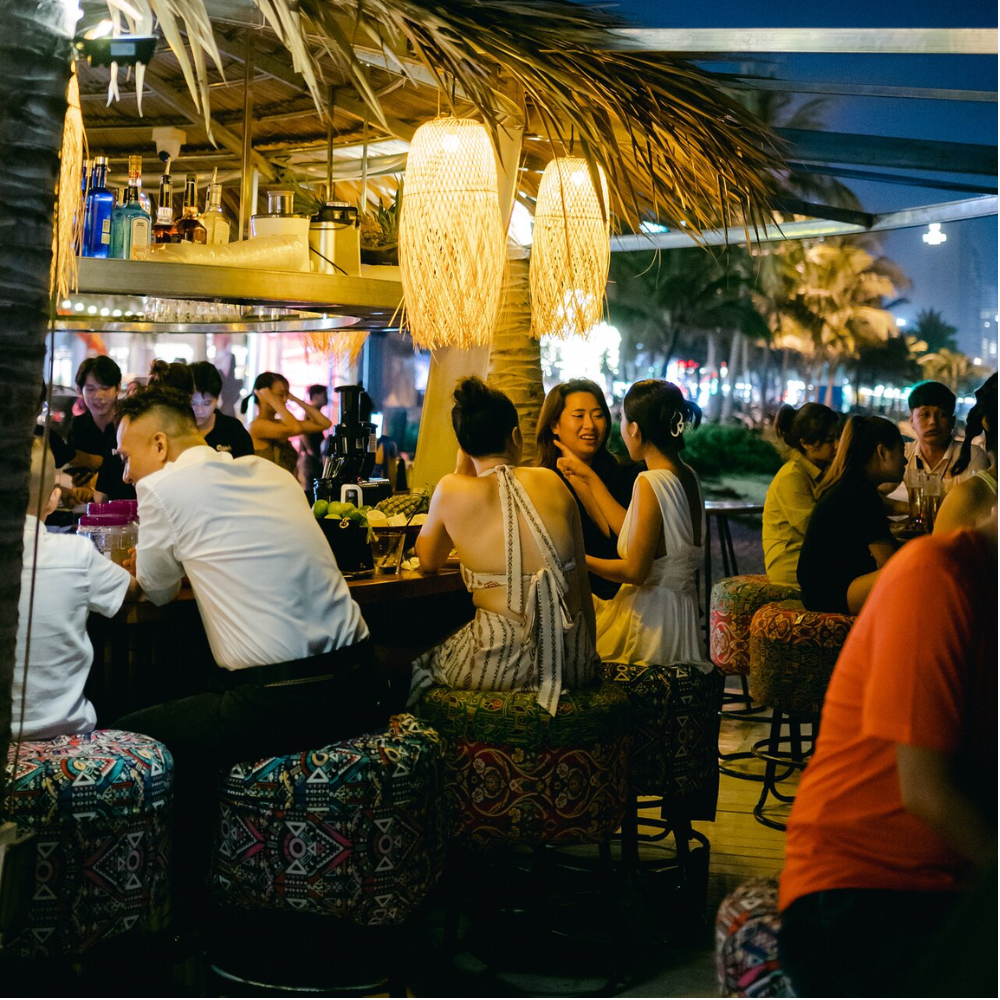
At Ondas, visibility comes not from attention, but from shared experience.
The open-air design, ocean horizon, and gradual transition from sunset to night create a collective rhythm. People stand side by side, not face to face—removing social pressure while maintaining connection.
Guests often remember:
- A shared glance during sunset
- Music blending with the sound of waves
- Conversations that begin without introduction
In these moments, being seen feels natural—not forced.

Kala Kala: Visibility Through Expression
Feeling seen doesn’t always mean quiet connection. Sometimes, it comes through expression.
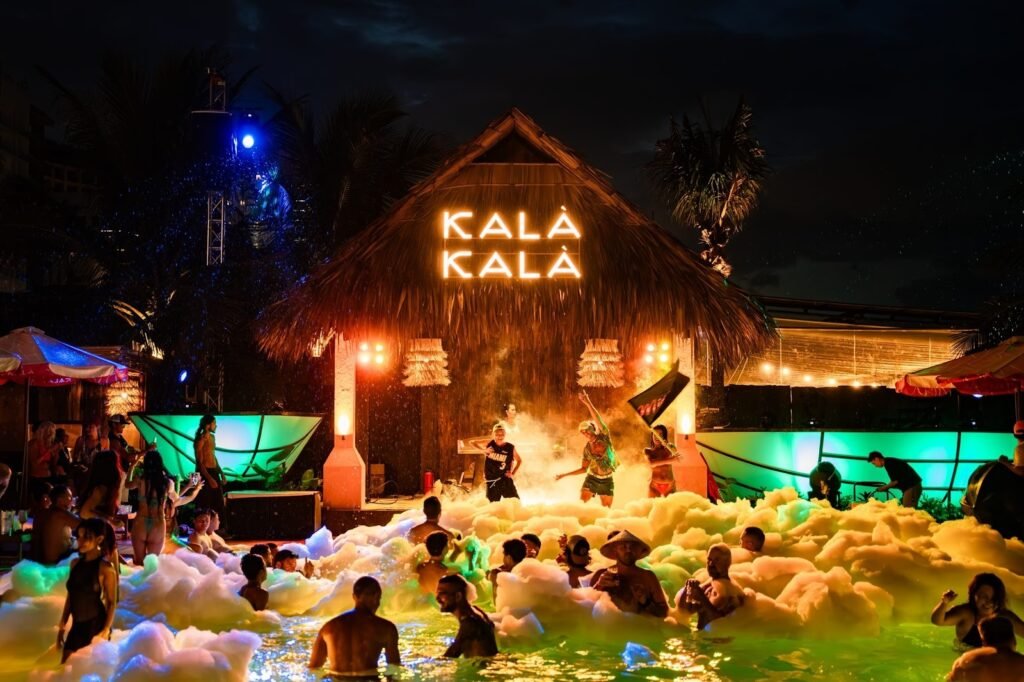
At Kala Kala, guests are seen because they are free to move, react, and express energy openly.
The space is designed to absorb individuality rather than suppress it. There is no single focal point, no expectation to behave a certain way. Expression becomes the language of connection.
In this context, being seen means being allowed to exist fully—without editing.
Why Feeling Seen Creates Memory
Memory is emotional.
When people feel seen, the brain records the experience as significant. Details become sharper. Time feels slower. The night gains narrative structure.
This is why people remember:
- Specific conversations
- The exact moment they felt comfortable
- A sense of belonging, even if temporary
Feeling seen transforms nightlife from activity into experience.
The Aura Philosophy: Designing for Human Presence
At Aura Da Nang, nightlife is not designed for anonymity alone.
Aura creates spaces where:
- Guests can disappear if they wish
- But are always acknowledged through atmosphere, flow, and care
This balance is intentional. It allows nights to adapt to human needs rather than forcing humans to adapt to the night.
In a world filled with noise and visibility overload, feeling truly seen—without being exposed—has become the rarest luxury of all.
Anonymity or Connection: The Choice of the Night
Some nights are about disappearing.
Others are about returning to yourself.
The nights we remember forever are rarely the loudest ones. They are the nights where we felt human—recognized, grounded, and connected.
And those nights are never accidental.
They are designed.