
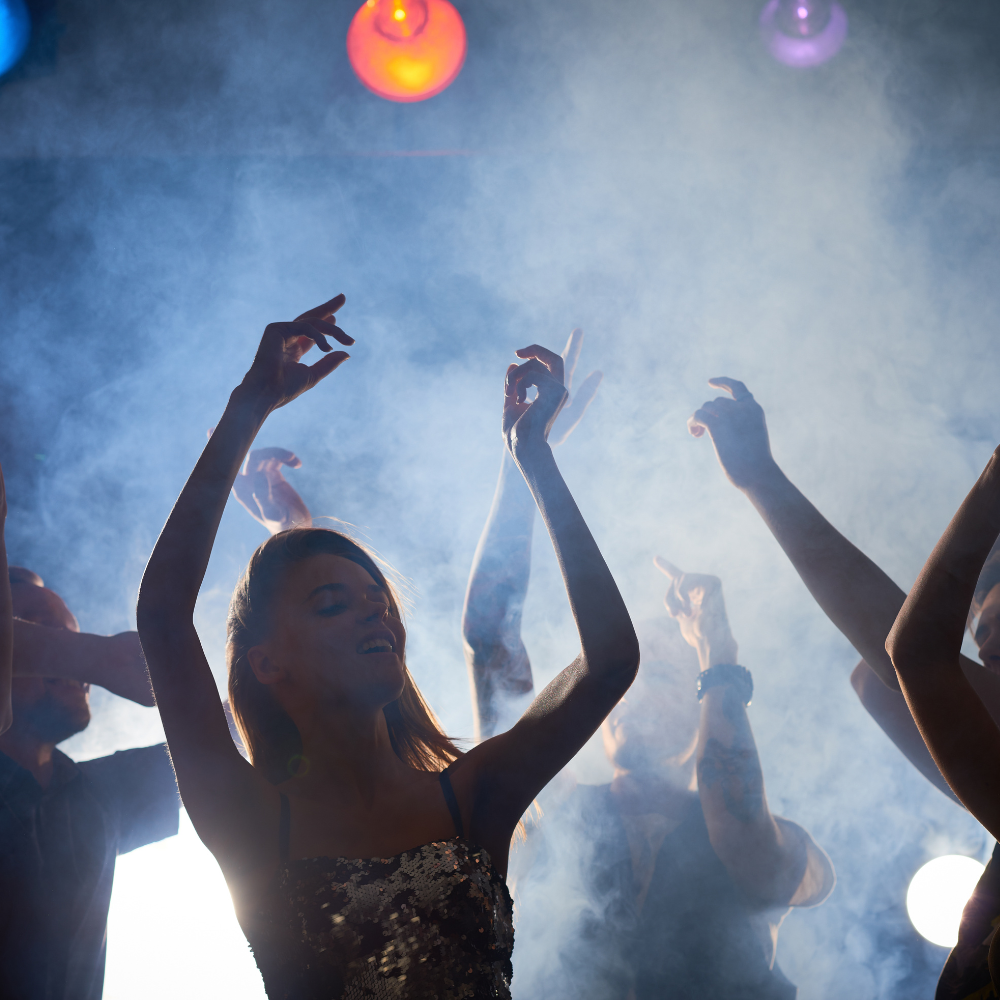
There is a moment every great party destination experiences — a tipping point when it stops being a secret and starts being a story everyone tells.
Ibiza had it in the 1990s. Bangkok had it in the 2000s. Bali’s Seminyak strip had its decade. And right now, quietly and then all at once, Da Nang is having its moment.
Not because of hype. Not because of influencer content or tourism campaigns. But because the ingredients are finally all in place — the coastline, the infrastructure, the talent, the energy, and most importantly, the people who know how to put it all together.
What Makes a City a Great Nightlife Destination?
It’s a question worth asking seriously, because not every beautiful beach city becomes a nightlife capital. The Maldives is stunning but silent after dark. Nha Trang had the bones but lacked the curation. Phuket built the scale but lost the soul somewhere along the way.
The cities that become legendary — Ibiza, Mykonos, Miami, Berlin — share a specific combination of elements that are almost impossible to manufacture on command. They need geography that invites gathering: coastlines, warm air, views that make you feel like you’re at the edge of the world. They need a traveller base that is internationally minded and culturally curious. They need venues that prioritise atmosphere over capacity. And they need a creative class — DJs, event producers, designers, tastemakers — who are genuinely invested in building something meaningful, not just profitable.
Da Nang, in 2026, has all of this.
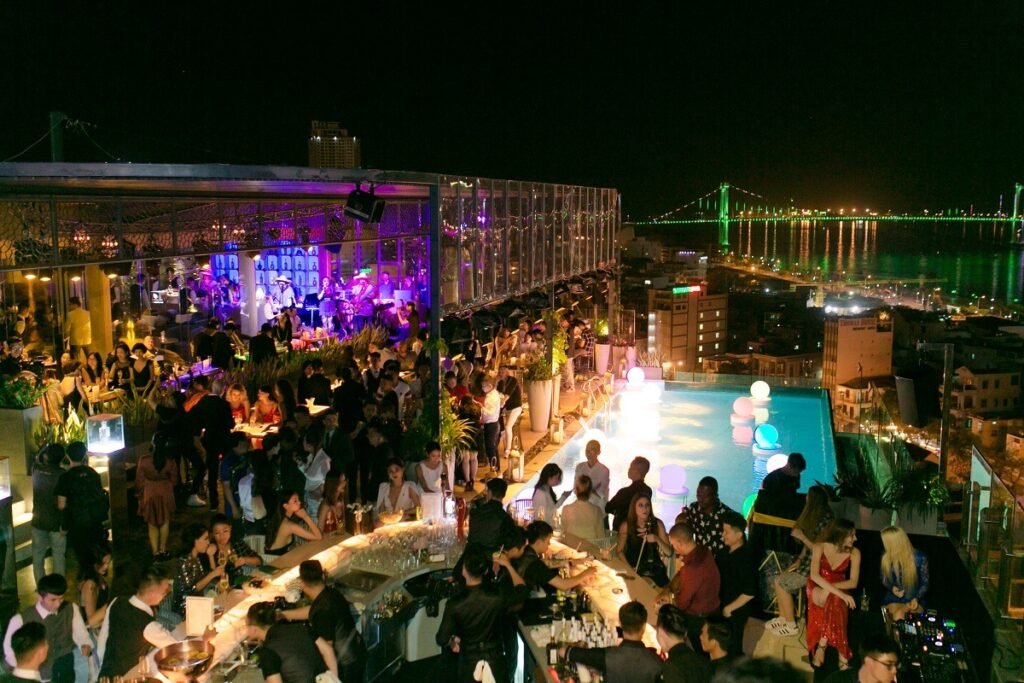
The Geography Is Undeniable
Da Nang sits at the geographic and spiritual centre of Vietnam’s most storied coastline. To the north, the Hai Van Pass — one of the most dramatically beautiful mountain roads in Southeast Asia — separates it from Hue’s imperial history. To the south, 30 kilometres of gentle road connect it to Hoi An, a UNESCO-listed ancient town that feels, at night especially, like stepping into a different century entirely.
In between sits My Khe Beach — regularly listed among Asia’s finest urban beaches — and the city’s dramatic skyline, anchored by the illuminated arch of the Dragon Bridge, which breathes actual fire and water on weekend nights. This is a city that understands spectacle. It always has.
According to Lonely Planet’s Southeast Asia travel guides, Da Nang has ranked among the region’s fastest-rising destinations for several consecutive years, drawing visitors not just for its beaches but for an increasingly sophisticated lifestyle offering that extends well beyond daytime tourism.
The Sound Is Changing
A city’s nightlife identity is defined by its music as much as its venues, and Da Nang’s sonic profile is evolving fast.
Where once the after-dark scene was dominated by local covers bands and tourist-facing bars, a new generation of events is rewriting the script. International DJs from Europe, the Middle East, and across Asia are now making Da Nang a regular stop — not as a one-off curiosity, but as a genuine destination booking. The audiences they find here are sophisticated, multilingual, and hungry for world-class experiences.
At Aura Da Nang, this shift is not just observed — it is being actively shaped. The Aura events programme draws directly from a global network of international artists and talent, bringing the energy of Ibiza’s open-air clubs and Mykonos’s sunset sessions to Vietnam’s coastline. The result is an event calendar that feels genuinely global — because it is.
The New Traveller Is Coming for Experiences, Not Checklists
The post-pandemic traveller has changed. The Instagram-checklist tourist – monument, beach photo, airport — is being replaced by a different kind of visitor. They stay longer. They spend more intentionally. They want to feel a place, not just document it.
Da Nang is perfectly positioned for this traveller. It offers enough cultural depth – the Marble Mountains, the ancient Cham ruins, the culinary traditions of Central Vietnam – to justify a week-long stay. But it also offers, increasingly, the kind of after-dark life that turns a trip into a story worth telling.
This is the digital nomad generation that has already discovered the city’s daytime appeal. What Aura is building is the answer to what they do when the laptop closes and the sun goes down.
Curation Is the Differentiator
The difference between a city with nightlife and a city with a nightlife scene is curation. Anyone can open a bar. Anyone can book a DJ. What separates the memorable from the forgettable is the intentionality behind every decision – the lighting, the crowd energy, the flow of the evening, the way a space makes you feel when you walk in versus when you reluctantly leave.
This philosophy – nightlife as spatial and experiential art — is what Aura has built its reputation on. Events are designed not just to entertain but to create the conditions for genuine connection. The kind of nights people remember for years, not because of what happened, but because of how it felt.
The Window Is Open – But Not Forever
Every great destination has a window. A period when the energy is right, the prices are still honest, and the sense of discovery is real. Ibiza’s window opened in 1987 and took a decade to reach critical mass. Da Nang’s window is open right now.
The five-star resort infrastructure is in place. Direct international flights are multiplying. A new generation of event producers — with global ambitions and local expertise is actively building something here that the rest of Asia is beginning to notice.
For travellers who want to be part of a scene in its most electric, most alive, most unrepeatable phase, the question isn’t whether Da Nang is worth the trip. The question is whether you want to arrive before everyone else does.
Explore what Aura is building in Da Nang →
Book a table or enquire about events →
View upcoming talent and bookings →
