
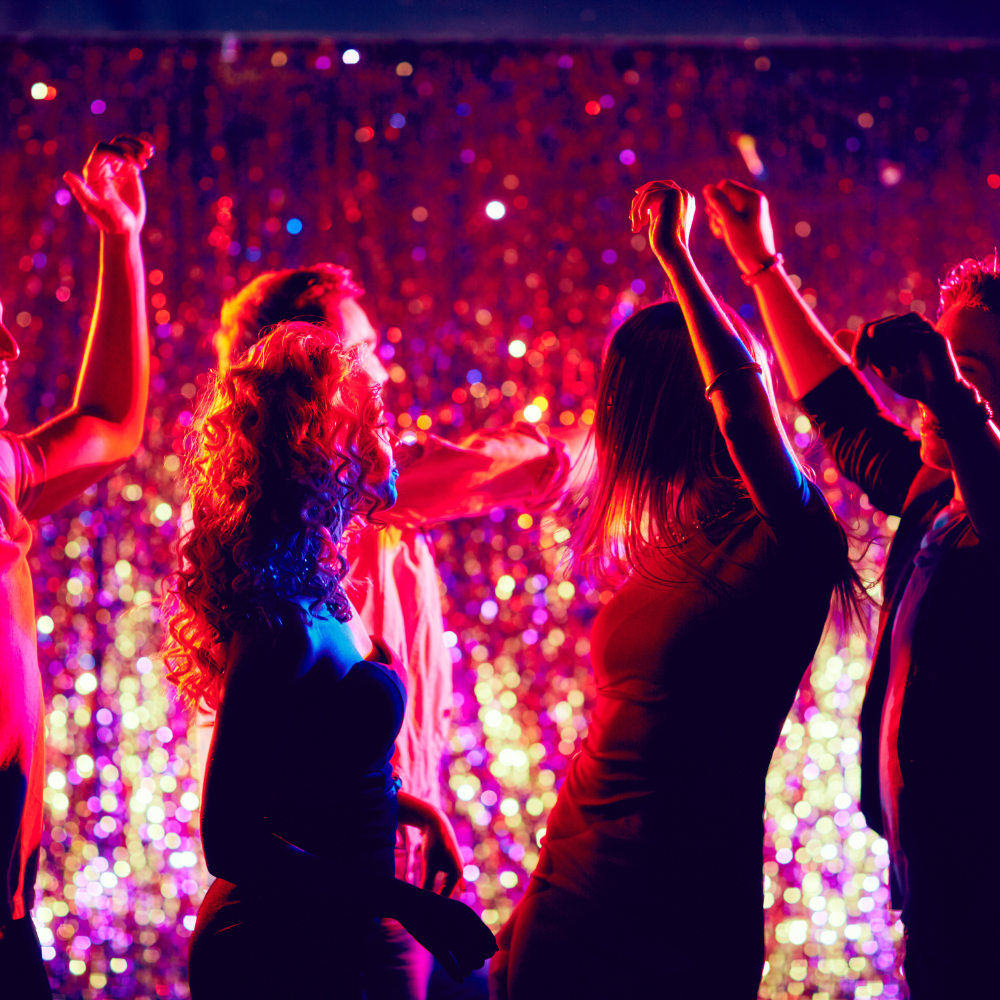
How People Connect, Interact, and Feel Comfortable After Dark
Nightlife may seem spontaneous on the surface—music, movement, conversations that start without planning. But beneath that spontaneity, there are unspoken social rules guiding every interaction.
These rules are rarely explained, yet they determine everything:
Who talks to whom.
Which spaces feel welcoming.
Why some nights flow effortlessly, while others feel awkward.
In cities like Da Nang, where international travelers, expats, and locals intersect, understanding these invisible dynamics becomes essential to creating meaningful nightlife experiences.
At Aura Da Nang, nightlife is not just curated through music or design—but through how people naturally interact within the space.
Why Nightlife Socializing Feels Different
Social behavior changes significantly at night.
During the day, interactions are structured—work roles, routines, expectations. At night, those structures loosen. People become more open, more curious, and more willing to engage with strangers.
However, this openness doesn’t mean randomness. Nightlife still follows subtle patterns:
- People approach others based on energy, not status
- Conversations begin through shared environment, not formal introduction
- Comfort is built through non-verbal signals first
Understanding these dynamics is key to why some nightlife environments feel natural, while others feel forced.

Rule #1: Energy Is the First Introduction
Before words are exchanged, energy is already communicated.
Body language, posture, eye contact, and presence all signal whether someone is open to interaction. In nightlife, people don’t introduce themselves first—they feel each other out.
Spaces that are well-designed allow this to happen naturally. Lighting, music volume, and crowd density all influence how comfortable people feel approaching others.
This is why luxury nightlife environments often feel more socially fluid—they reduce friction and allow energy to flow.
Rule #2: Environment Sets the Tone of Interaction
Not all venues create the same type of social behavior.
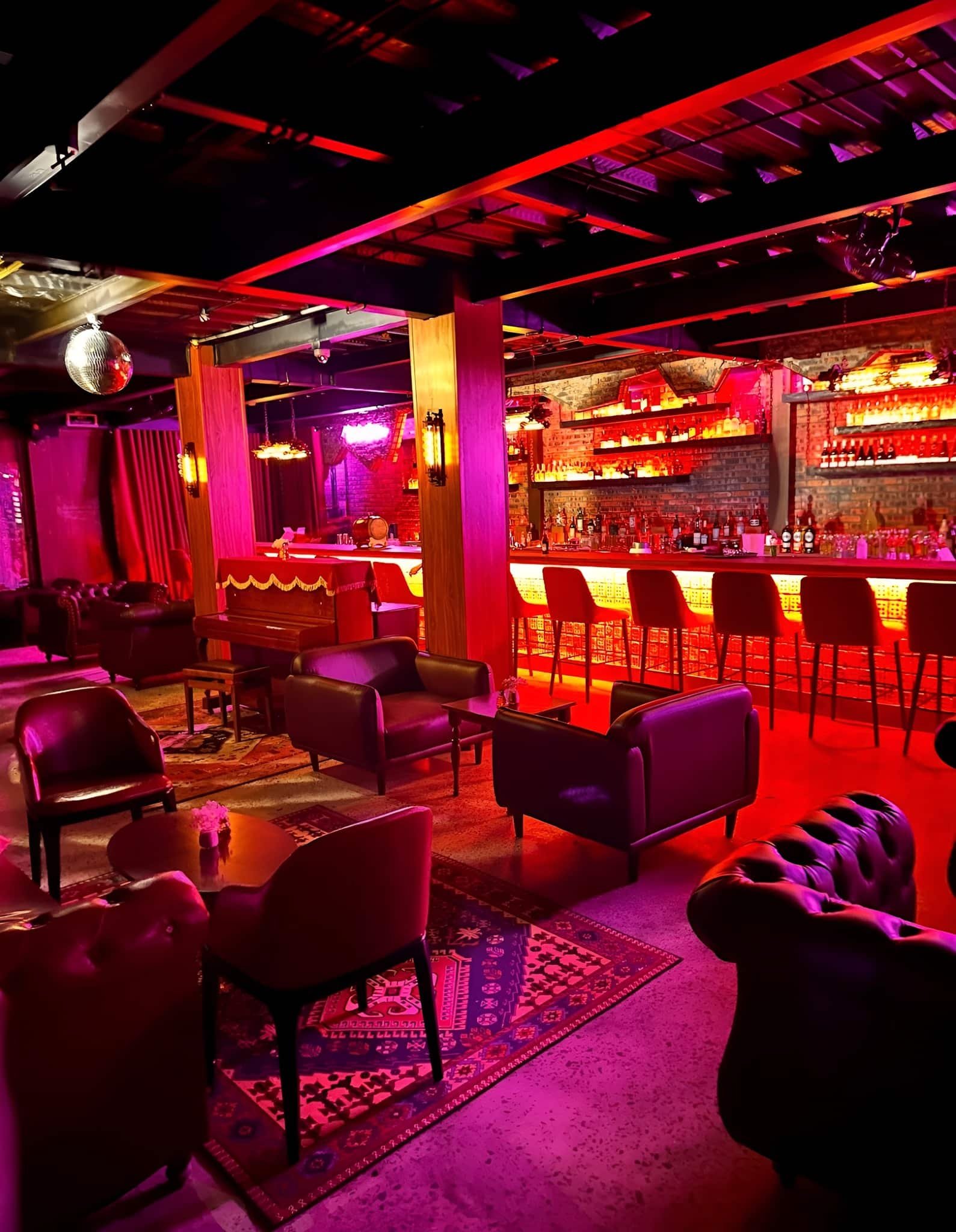
At Manhattan Bar, the atmosphere encourages conversation. The music is balanced, the seating is intentional, and guests can engage without raising their voices.
In contrast, high-energy spaces prioritize movement and shared rhythm over verbal interaction.
Neither is better—they simply create different types of connection.
For solo travelers and expats, environments like Manhattan Bar often feel more approachable because they support gradual social engagement.
Rule #3: Timing Matters More Than Approach
In nightlife, when you interact often matters more than how.
Early evening:
- People are settling in
- More open to conversation
Peak hours:
- Energy is higher
- Interaction becomes more spontaneous
Late night:
- Conversations become deeper or more selective
Understanding timing allows interactions to feel natural rather than intrusive.
Great nightlife experiences are not just about who is present—but when moments happen.
Rule #4: Shared Experience Creates Instant Connection
Unlike daytime interactions, nightlife removes the need for formal context.
You don’t need:
- Job titles
- Background explanations
- Structured introductions
Instead, connection happens through shared experience:
- The same song
- The same atmosphere
- The same moment
At Ondas, this effect is amplified by the open-air environment. The ocean, music, and movement create a shared sensory experience that makes interaction feel effortless.
People connect not because they planned to—but because they are experiencing the same moment together.
Rule #5: Space Design Influences Social Behavior
The way a space is designed directly impacts how people interact.
- Tight spaces create intensity
- Open layouts encourage movement
- Seating arrangements influence conversation
At Kala Kala, the layout promotes circulation rather than fixed positions. This allows guests to move freely, increasing the chances of spontaneous interaction.
Design is not just visual—it is behavioral architecture.

Rule #6: Effortless Socializing Is Designed, Not Random
When a night feels socially easy, it’s rarely accidental.
It’s the result of:
- Balanced music levels
- Thoughtful lighting
- Comfortable spatial flow
- A diverse and open-minded crowd
These elements reduce social tension, making interaction feel natural.
This is why some venues consistently create great nights—because they understand that social dynamics can be designed.
Rule #7: People Mirror the Energy Around Them
Human behavior is highly adaptive.
In nightlife environments:
- Calm spaces create calm interactions
- High-energy spaces create expressive behavior
- Welcoming crowds encourage openness
People subconsciously mirror what they feel around them. This is why the overall energy of a venue is more important than any individual interaction.
At Aura-curated spaces, this energy is carefully balanced—allowing guests to feel both comfortable and engaged.
Why These Rules Matter for International Nightlife
For travelers, expats, and digital nomads, nightlife is often the easiest way to meet people in a new city.
Understanding these invisible rules helps:
- Reduce social anxiety
- Increase meaningful interaction
- Create more memorable nights
In Da Nang, where cultures intersect, these dynamics become even more important. The best nightlife experiences are not defined by volume or crowd size—but by how naturally people connect.
Final Thoughts: Socializing Without Trying
The best nights don’t feel forced.
You don’t think about what to say.
You don’t plan interactions.
You simply exist within the space—and connection happens.
That’s the real difference between ordinary nightlife and elevated nightlife.
The rules are invisible.
But when they’re understood—and designed well—
they shape everything.